A project manager plays a pivotal role in steering projects from initiation to completion, ensuring objectives are achieved efficiently and effectively. They balance resources, timelines, and stakeholder expectations while fostering collaboration among team members to meet specific goals. Unlike ongoing operations, which are continuous and focused on maintaining everyday business functions, project work is temporary and directed towards delivering a defined outcome. This distinction underscores the project manager's importance in navigating the unique challenges that arise during a project's lifecycle, ultimately contributing to an organization’s overall success and growth.
How to Become a Project Manager: Career Path Overview
Becoming a project manager typically requires a combination of education, professional experience, and leadership skills. Many professionals begin by earning a bachelor’s degree in business, management, information technology, or a related field. They then build experience through roles involving project coordination, team collaboration, or operational planning.
Professional certifications can also strengthen a project manager’s qualifications. Credentials such as the Project Management Professional (PMP) or Agile Certified Practitioner (ACP) certification demonstrate knowledge of project management principles and modern delivery methods.
As organizations continue to prioritize efficient project execution, demand for skilled project managers remains strong across industries. The Project Management Institute has projected significant growth in the profession, creating opportunities for individuals interested in leading teams, managing resources, and delivering successful projects.
What Does a Project Manager Do?
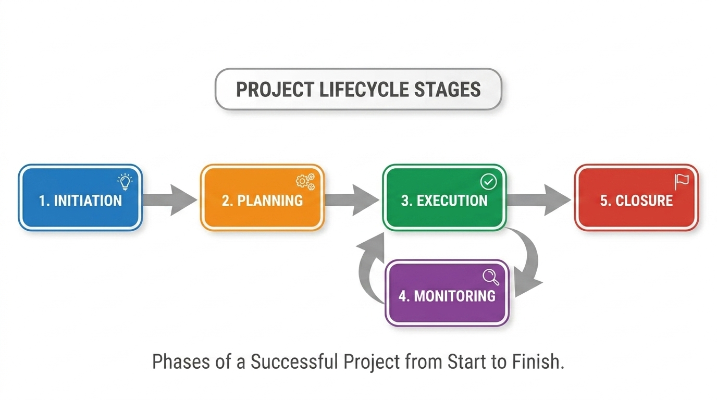
Project managers are essential in ensuring successful delivery across numerous projects in diverse industries. Their primary responsibilities encompass planning, executing, and closing projects. During the planning phase, they define project scope, set timelines, allocate resources, and establish budgets. While executing, project managers lead teams, monitor progress, and coordinate tasks to achieve objectives. Lastly, in the closing phase, they evaluate project performance, compile final reports, and ensure that all deliverables are completed satisfactorily.
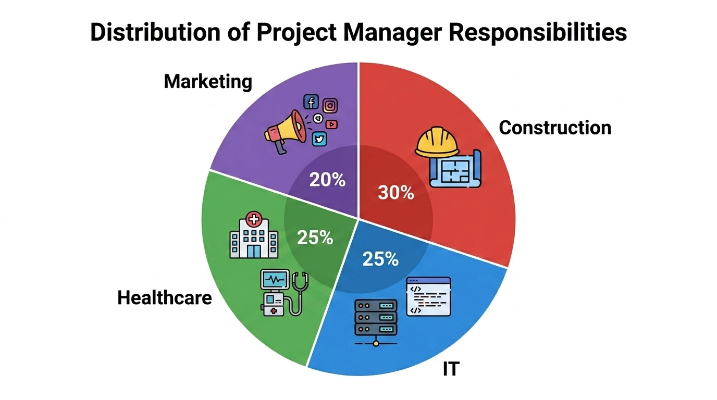
For instance, in construction, project managers oversee site development; in IT, they may manage the deployment of software systems. In the healthcare sector, they could facilitate the rollout of new medical systems, while in marketing, they often spearhead advertising campaigns. This diverse range of responsibilities illustrates the adaptability of project managers as they effectively manage projects across various sectors, emphasizing the essential nature of their role within any organization.
Essential Skills Every Project Manager Needs
To excel in project management, certain core skills are crucial to success. Scope management ensures projects remain within defined parameters, allowing managers to clarify requirements and avert scope creep. Mastering schedule and budget management is vital, as tools such as MS Project or Trello enable project managers to effectively track timelines and expenses.
Risk management is another crucial aspect, involving the identification of potential issues early on, which allows project teams to strategize and circumvent setbacks. For example, during a software launch, a project manager might prepare contingency plans for critical system failures. Additionally, stakeholder communication is essential; maintaining regular updates keeps all parties aligned and mitigates misunderstandings.
Leadership is indispensable, as guiding teams through challenges fosters trust and enhances morale, contributing to a productive environment. Familiarity with project management methodologies and tools like Asana can streamline processes and simplify task assignments, ensuring optimal efficiency in real-world applications.
How to Become a Project Manager From Different Backgrounds
Aspiring project managers benefit from recognizing the various backgrounds that can lead to success in this role. For students, whether pursing undergraduate or graduate degrees, courses in business, communications, or engineering provide valuable insights into project management. Many universities are now integrating project management principles into their curricula, enabling students to acquire foundational knowledge and pertinent experience.
Career changers can leverage transferable skills critical to project management—such as problem-solving, teamwork, and leadership. For instance, an individual from a hospitality background may excel in managing client relationships and ensuring project deliverables meet customer satisfaction.
Current coordinators or professionals involved in informal projects can capitalize on their existing experience; participating in volunteer projects or leading small teams enhances resumes, showcasing real-world applications of project management skills.
Ultimately, it is vital to recognize and articulate specific skills, such as organizational abilities, communication, and adaptability—all of which are highly valued in project management across any entry route. Embracing varied paths promotes inclusivity and enriches the field with diverse perspectives, making it accessible to all who aspire to enter the profession.
Project Management Education and Certifications: What You Need to Know
When considering a career in project management, various educational paths and certifications can significantly shape your future. Degree programs in business or management lay the groundwork, while certifications like the Google Project Management Certificate provide industry-recognized skills in a condensed format.
Highly regarded certifications include the Certified Associate in Project Management (CAPM) and the Project Management Professional (PMP) from the Project Management Institute (PMI). The CAPM requires a secondary degree and at least 23 hours of project management education, while the PMP necessitates a four-year degree, 36 months of managing projects, and 35 hours of formal education, making it more rigorous.
Conversely, PRINCE2, a process-based methodology popular in Europe, requires training but does not demand formal project management experience. Agile certifications focus on flexibility and iterative processes, with options like Certified ScrumMaster (CSM) tailored for specific methodologies.
Costs and renewal procedures for these credentials vary; retaining PMP certification involves renewal every three years through earning professional development units (PDUs), while PRINCE2 remains valid for three years before recertification. Employer preferences for these certifications may hinge upon industry standards and specific project requirements, influencing candidates' desirability in the job market.
How to Gain Project Management Experience
Gaining practical experience in project management is essential for aspiring professionals. Begin by volunteering with local non-profits that often need assistance with organizing events, managing campaigns, or other project-based tasks. This hands-on involvement sharpens your skills while benefiting a good cause. Alternatively, seek internships or entry-level roles within organizations that prioritize project management; these positions often offer structured learning opportunities under seasoned mentors.
To construct an impressive portfolio, focus on documenting verifiable outcomes from your completed projects. Include detailed case studies that outline challenges faced, objectives met, and methodologies used, along with measurable results. Utilize diverse formats—like presentations, reports, or visual dashboards—to effectively showcase your work. Additionally, gather feedback from supervisors or team leaders to lend credibility and substantiate your claims.
By implementing these strategies, not only will you refine your skillset, but you will also solidify your competitiveness in the project management arena.
Job Titles, Applications, and Interviews
In the realm of project management, job titles can range significantly from entry-level to advanced roles. Common entry-level positions include Project Coordinator and Junior Project Manager, where individuals assist with task management and resource allocation. As one progresses in their career, titles such as Project Manager and Project Director become increasingly common, overseeing larger teams and budgets.
When crafting job applications, customize your resume to accentuate relevant skills and experiences that align with the job description. Employ action verbs and quantify achievements wherever possible to amplify impact. During interviews, be ready to discuss specific projects you've managed, emphasizing the challenges encountered and outcomes achieved. Familiarity with project management methodologies such as Agile or PMBOK can enhance your candidacy. Furthermore, practicing responses to common interview questions, such as your strategies for managing risks and fostering team collaboration, can help you convey your expertise with confidence.
Finding Project Management Jobs: Titles, Applications, and Interviews
Beginning as a project coordinator or assistant can lead to a fruitful career trajectory in project management. Key positions include project manager, program manager, and further advancement to director of project management or even chief operating officer. Each title conveys increasing responsibility and leadership.
Success in this field is influenced by several factors, including the significance of networking. Cultivating relationships with experienced professionals can pave the way for mentorship and exciting opportunities. Continuous education—through certifications like PMP or Agile methodologies—not only amplifies your skills but also enhances your credibility in the eyes of potential employers. As the project management landscape evolves, embracing lifelong learning and actively engaging in industry networking can considerably bolster career growth and longevity within this dynamic profession.
The potential paths for advancement are extensive; with the right strategies, aspiring project managers can confidently realize their full potential.
Next Steps to Start Your Project Management Career
To embark on a successful path towards becoming a project manager, consider a blend of education, hands-on experience, and obtaining recognized certifications. Initiate by securing relevant degrees, seeking project experience through internships or volunteer opportunities, and pursue certifications like PMP or CAPM. Actively network within the industry, seek guidance from mentors, and continuously refine your skillset.
Next Steps Checklist:
- Research project management degree programs or certification courses.
- Investigate internship opportunities or volunteer roles for hands-on experience.
- Identify relevant certifications to pursue for skill validation.
- Connect with industry professionals for insights and career advice.
- Routinely assess and elevate your skillset to remain competitive.
Equipping yourself for a fulfilling career in project management involves a proactive approach to learning and networking, ensuring you remain at the forefront of industry advancements.